
Fire safety is a critical aspect of any building, whether it?s residential, commercial, or industrial. Effectively protecting lives and property begins with the right technology?especially fire detection solutions. One fundamental step is ensuring a proper fire alarm system installation that meets regulatory standards and offers reliable protection against potential risks.
Understanding Fire Alarm System Installation
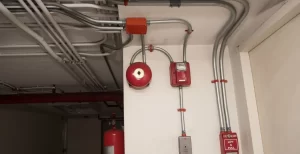
A fire alarm system is designed to detect smoke, heat, or fire and alert occupants with a warning signal. The correct fire alarm system installation ensures early detection, allowing prompt evacuation and rapid response from emergency services. Installations can vary from simple, conventional setups for small premises to sophisticated addressable systems suitable for larger complexes.
Planning for Fire Safety
Every building has unique requirements when it comes to fire detection. Before commencing fire alarm system installation, it?s essential to evaluate the site’s size, layout, occupancy levels, and any specific risks like hazardous materials. A thorough risk assessment can help determine the quantity and types of detectors, notification devices, and necessary panel capacity for the entire system.
System Design and Equipment Selection
When designing for fire alarm needs, consider factors such as detector placement, alarm sound levels, and panel location. A core part of the process is selecting reliable equipment that meets international fire safety codes. Key components include:
- Detectors (smoke, heat, flame)
- Manual call points
- Sirens, strobe lights, and annunciators
- Panels to manage and monitor the system
While fire alarm system installation is the overarching process, it?s important to highlight the significance of fire alarm panel installation. This task involves installing the main control panel that receives input from all field devices and initiates appropriate alerts or actions. Fire alarm panel installation should be conducted by certified technicians who understand both the technical and safety requirements.
Fire Panel Installation Overview
In addition to the main alarm panel, other auxiliary panels may be needed, depending on building complexity. Fire panel installation is not just about placing a unit on a wall; it demands careful planning for location, secure mounting, and precise connection to detection devices and notification appliances. Technicians responsible for fire panel installation ensure all modules work in harmony, facilitating prompt incident detection and effective alert dissemination.
Steps in Installing a Fire Alarm System
A successful fire alarm system installation follows a sequence of steps:
- Site Survey & Planning: Identify critical areas and design the system layout.
- Equipment Procurement: Source all necessary devices, panels, and materials.
- Wiring & Circuit Setup: Keen attention to wiring ensures stable connections and prevents false alarms.
- Device Mounting: Install detectors and notification devices according to the design plan.
- Fire alarm panel installation: Secure the panel, connect all inputs and outputs, and program it for proper functionality.
- Testing & Commissioning: After installation, each component and the system as a whole must be tested to verify operational reliability.
- Documentation & Training: Prepare technical reports, layout maps, and train staff or occupants on alarm response procedures.
Compliance and Certification
Adhering to fire safety authorities? standards is mandatory. The system must be installed as per relevant codes, such as NFPA or local fire safety laws. Periodic inspections and certifications ensure ongoing reliability. A quality-focused fire alarm system installation not only meets legal requirements but also maintains the safety of building occupants over time.
Periodic Maintenance
Even the best installations require scheduled maintenance. Regular checks and servicing include cleaning detectors, testing alarms, verifying panel indicators, and replacing faulty parts. Maintenance contracts with reputable providers help ensure long-term safety and quick repairs if needed.
Conclusion
Effective fire alarm system installation isn?t just about putting up sensors and alarms; it?s a comprehensive process involving expert planning, equipment selection, fire alarm panel installation, fire panel installation, and ongoing maintenance. By prioritizing each step and adhering to safety standards, you?ll create a robust solution that safeguards people and property for years to come.